The Microsoft Security SPD Series is a 3-part look at the Microsoft Security Solution Partner Designation, why it matters, the mechanics of attaining it and how the economics of SPD attainment works for partners.
Why Security is a powerful play for partners
Fact: improving security and privacy is the #1 IT objective for small to medium sized businesses in Asia-Pacific. Why?
Our Future of Operations study of SMBs across the region indicates that business leaders have more understanding of how cybersecurity incidents affect topline objectives for customer experience, revenue growth, innovation and market influence.
If I can be even more frank, when business leaders understand that the impact of cybersecurity incidents can cost them bonus payments, dividends, or even their tenure, it tends to accelerate perception shifts.
As a result, security is (finally) shifting from being a background IT function to being at the centre of business planning, cloud strategy, resilience, compliance and AI readiness. It’s a rich field of growing demand for solutions and services.
For Microsoft partners, Security SPD attainment aligns your business to this commercially important shift in SMB buyer behaviour. The designation tells the market that a partner is investing in in the skills, customer motions, and delivery capabilities needed to deliver more complex security outcomes to businesses. It creates deeper attachments to core Microsoft workloads and paves the way to recurring services revenue, over years and years.
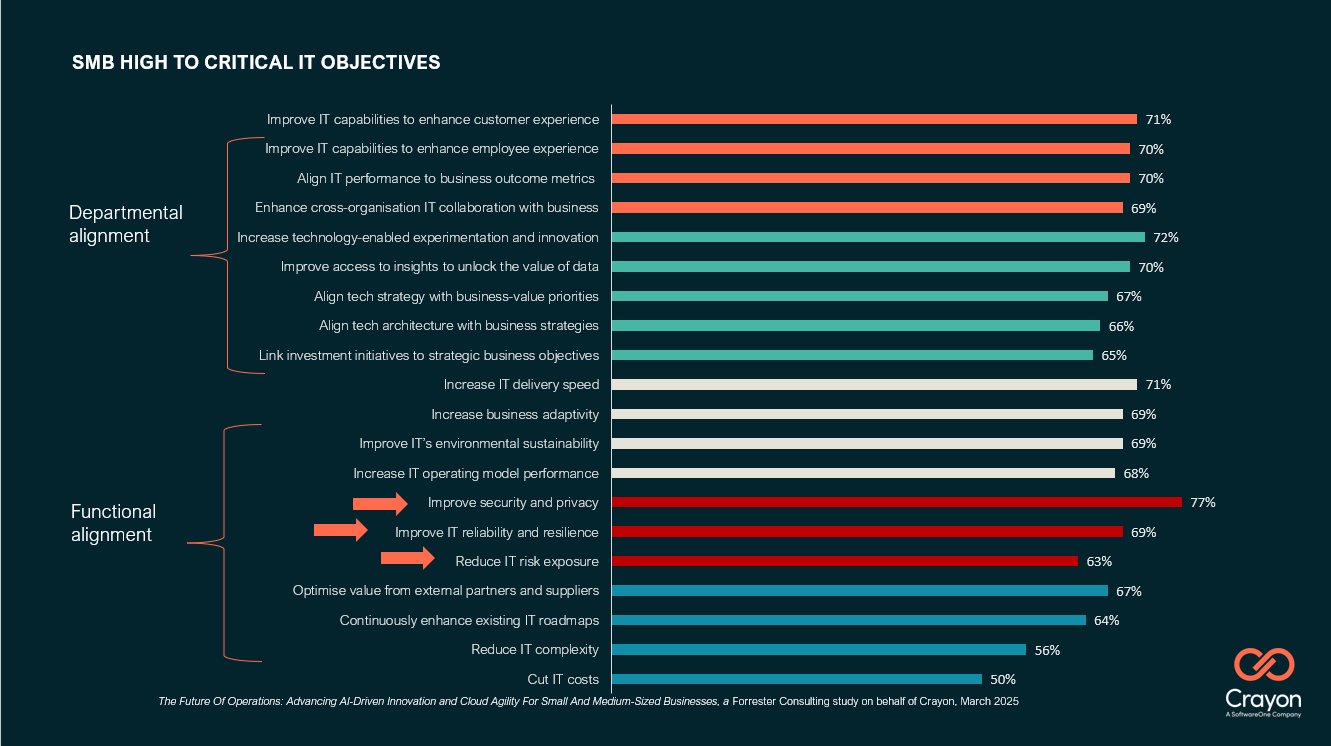
In this article, I’ll highlight the security buying signals coming from the SMB customer segments in the APAC market and why these make Microsoft Security SPD attainment worthy of consideration.
Security solution adoption intent signals.
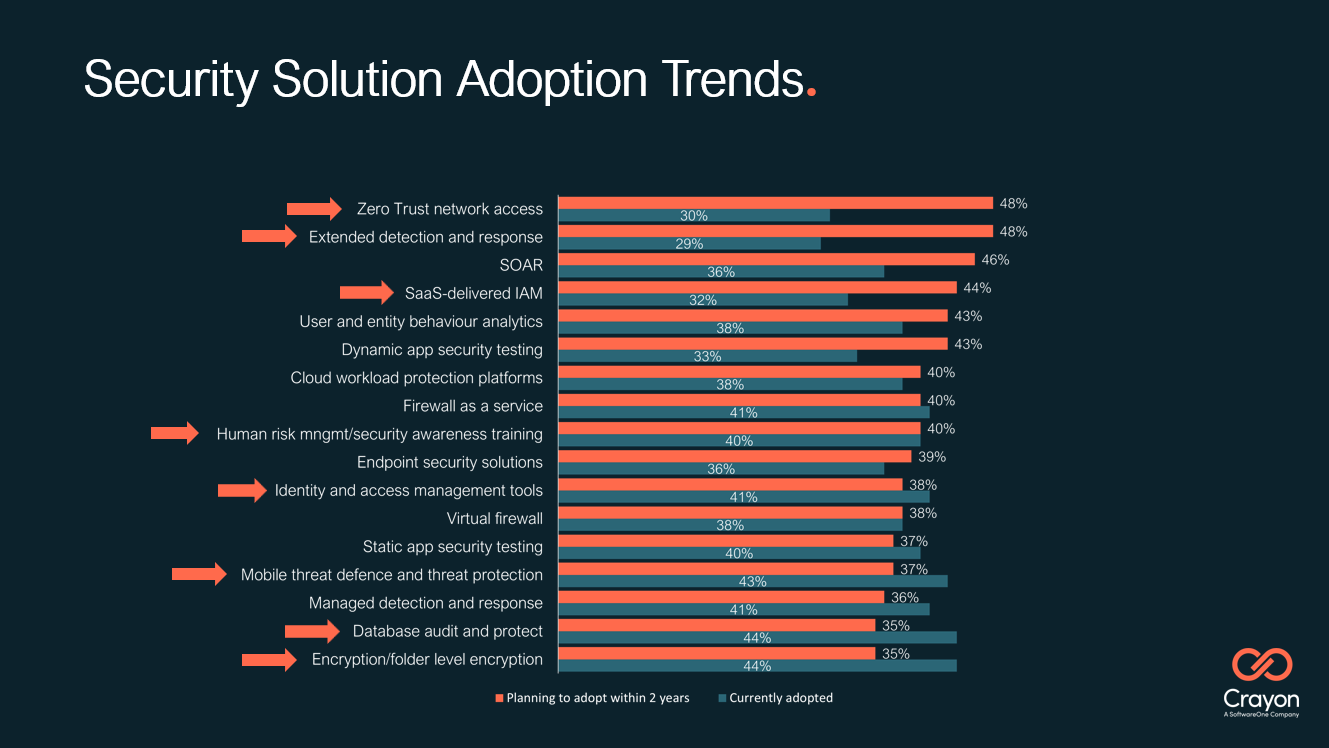
Adoption intent trend data is a set of signals from our Future of Operations study. These show how SMB budgeting priorities are evolving in the security domain.
The chart below shows increased intent for adoption of Zero Trust Network Access, SaaS-delivered identity and access management, XDR, user and entity behaviour analytics, and security awareness training to mitigate human risk.
This article provides additional context around the adoption intent data from the Future of Operations study, but in general SMBs are maturing their approach, driven by greater reliance on cloud and SaaS, alongside the need to secure hybrid environments while reducing risk and improving compliance. The study links stronger security capability to outcomes such as faster incident response, reduced compliance gaps, fewer successful phishing or ransomware attacks, and increased confidence in data security standards.
For partners, this expands the opportunity into positioning more sophisticated security roadmaps, rather than having one-dimensional product focused conversations.
Another significant driver is the uptake of AI. Forrester’s analysis found that 81% of SMBs had either formally implemented AI, were in the process of doing so or had AI implementations planned into their IT roadmaps through to the end of 2027. However, security and privacy concerns – particularly around data – are significant inhibitors to AI adoption and can stall plans to scale AI further from initial implementations.
As such, security investment and spend decisions are tightly connected to SMB confidence with using emerging technologies to drive transformation and deliver on their critical business objectives.
This gives partners a bigger strategic opening to offer assessments, design, deployment, integration, optimisation, training, and managed services. As SMBs become savvier about the business impact of cybersecurity incidents, they’re also looking for partners that can connect their security adoption plans to their objectives in other areas such as business continuity, data protection, governance, operational resilience and technology-led innovation.
Security service demand signals.
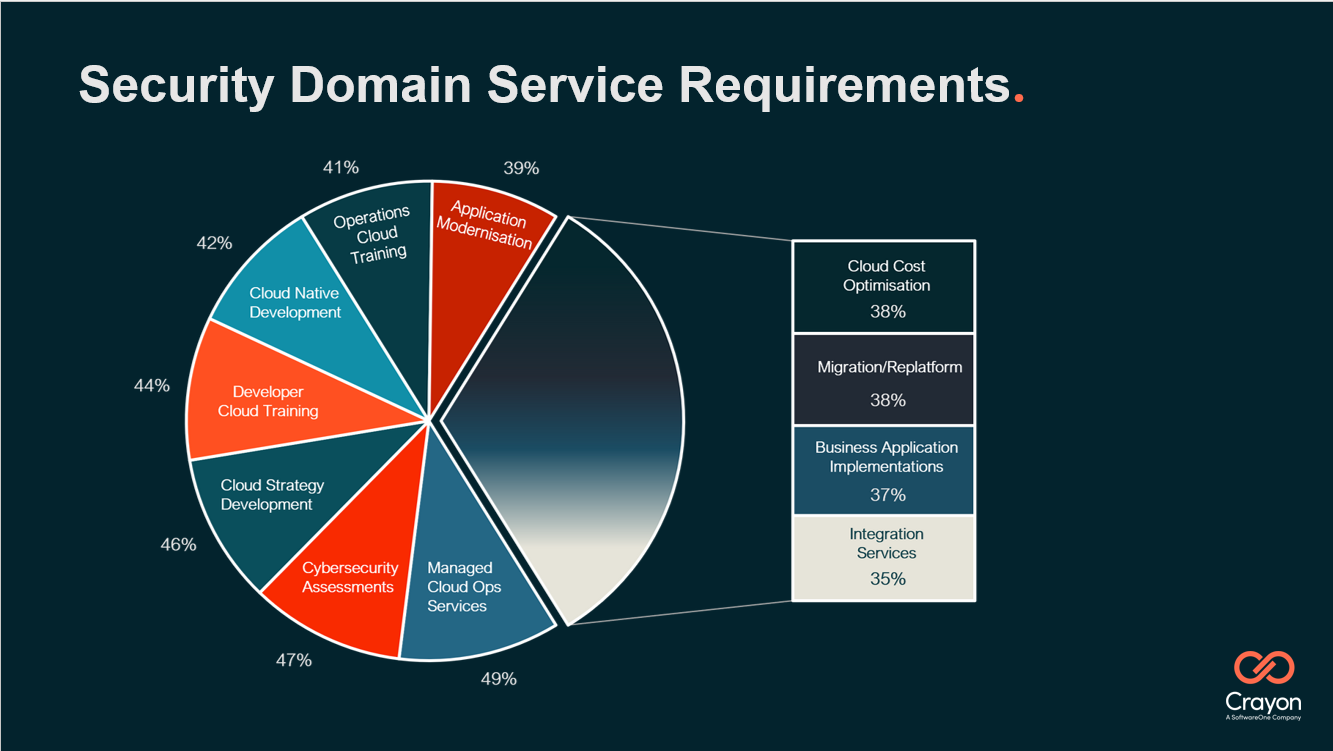
Security demand is not limited to software adoption. Data from the Future of Operations study shows increased demand for assessment, advisory, integration and ongoing support services. For example:
- 47% of SMBs are seeking cybersecurity assessments across their security operations.
- 38% are looking for services that will help them control the cost of their cloud workloads within the security domain.
- 37% seek services to help them with secure implementation of business applications.
These are strong signals for partners looking to create entry-point offers that can lead into remediation, implementation, optimisation, or managed services.
When customers are actively looking for help with both technology and services, validation of your capability matters more, and this is exactly where Microsoft Security SPD attainment really comes into play.
3 rock solid reasons to include Security SPD attainment in your business plan
1. It is good business strategy to get in the way of planned investment and adoption.
SMBs are prioritising security more highly. They are adopting more advanced security approaches. They intend to invest more in this domain, and they are actively seeking external expertise to help them execute their priorities for improved security outcomes. The Security SPD provides partners with a stronger competitive position to pitch and win for market share.
2. It is good business strategy to align to where vendors are ramping up their investment and incentives focus.
Microsoft puts focus on SPD partners. SPD attainment opens doors for access to additional resources, eligibility for funding, and higher incentives. Distribution partners like Crayon will also be encouraged to prioritise SPD partners when it comes to service, marketing, and enablement.
3. It’s a solid commercial strategy to align capabilities to where the market is heading.
Microsoft Security SPD attainment positions you to create value exactly where customers and vendors will place a premium on your ability to do so.
Watch the Webinar. Read the Series.
For more information about the Microsoft Security SPD, check out our recent webinar on the topic.
In the next article, I’ll dive into the mechanics of the Security SPD and key considerations for getting underway with your attainment journey.
Related


Featured
Blogs
Attaining a Security SPD
In the second article in our Security SPD series, Michael Brooke offers tips to help partners gain the insight track from start to finish.

Featured
Blogs
Microsoft Security SPD
In the first of a 3-part series, Michael Brooke explains why the buying signals from the market make Security SPD attainment worth a close look for partners.

Featured
Training
Project Online Retirement
The sun is setting on Microsoft Project Online, with Microsoft announcing it will be fully retired on September 30, 2026. Get the need-to-know information to plan for this change and position alternatives with your customers.
Featured
Press Release
Nitro Partner Awards 2026: Crayon earns multiple honours
Crayon wins 2026 Nitro APAC Reseller of the Year, with team leaders honoured for supporting partners and accelerating digital document adoption.

Featured
Press Release
CRN Asia Channel Leaders
Crayon's Warren Nolan and Harith Ramotheram have earned recognition in the 2026 CRN Asia Channel Leaders list for driving partner growth and innovation in our region.

Featured
Blogs
Copilot for All
Learn how Microsoft’s strategic Copilot for All framework combines with Crayon’s inhouse AI expertise to drive practice development and revenue growth for partners.

Featured
On Demand Webinars
Data Protection Webinar
Watch the on‑demand webinar on turning data risk into revenue. Learn how partners use data protection maturity models to drive recurring revenue and customer trust.

Featured
On Demand Webinars
Accelerate Your Security Practice with Microsoft SPD
Join our team for a business and technical deep dive into the Microsoft Security SPD and why attaining it is great for business.

Business
AvePoint Partner onboarding content
AvePoint Partner onboarding content packs are now available from Crayon to help fast track confidence and success for your team.

On Demand Webinars
Copilot Partners: Unlock your opportunities
Our latest On-Demand webinar provides a practical, execution focused walk through the full Copilot partner journey, from early adoption to advanced scenarios.

Featured
Training
Modern Work Solution Partner Designations Webinar
In our latest webinar, our in-house Modern Work experts Jye Wong and Ksenia Turner will run you through a practical refresher on Solution Partner Designations; what they are, why they matter and how to get started.
Featured
Guides and eBooks
Data Protection Playbook #3
As SMBs mature in the Data Protection lifecycle, they need help to optimise spend, reduce the compliance burden and ensure results align to business objectives. The third installment of our Data Protection Playbook series provides practical guidance for partners on how to address emerging pressure and connect ongoing investment to measurable business value.

Featured
Training
Copilot Agents: Level up from chatbots
Copilot Agents: what are they and how do they differ from AI assistants and chatbots? Our in-house Copilot expert Ksenia Turner explains the use cases and service opportunities for partners.

Featured
Blogs
Proving Data Protection Compliance
Fragmented data protection systems and processes create compliance proof-gaps for SMB customers. Scott Hagenus, Director, Cybersecurity here at Crayon explains.
Featured
Guides and eBooks
Data Protection Playbook #2
How can partners help their SMB customers to move from silos of security and continuity to a more cohesive, measurable and insurable data protection framework? The second edition in our Data Protection Playbook series maps out their journey, and yours.

Blogs
Data Protection Partner Playbooks for SMB Customers
As cybersecurity and continuity converge in platforms and in practice, partners need new playbooks to address modern Data Protection standards. Our in-house cybersecurity pre-sales lead, Michael Brooke explains why.

Featured
Insights
Data Protection Resource Round-Up
Data Protection priorities are shifting for SMBs. Ramp up your ability to respond with curated insights, articles and resources to help you guide every customer conversation with confidence.

Featured
Insights
M365 Copilot Hub
All the latest insights, articles and resources on M365 Copilot, curated into one place.

Featured
Partner Spotlight
Crayon Expertise: Why Bigfish is hooked
Bigfish Technology saved AU$20,000 on its annual Microsoft licensing after one call with Crayon and has since built a strong partnership that enabled Bigfish to get access to Crayon’s expertise and vendor ecosystem.

Featured
Blogs
Data Protection for SMBs
From rethinking backup to governance frameworks and behavioural analytics, what's involved in building a complete Data Protection strategy for SMB customers?
Featured
Insights
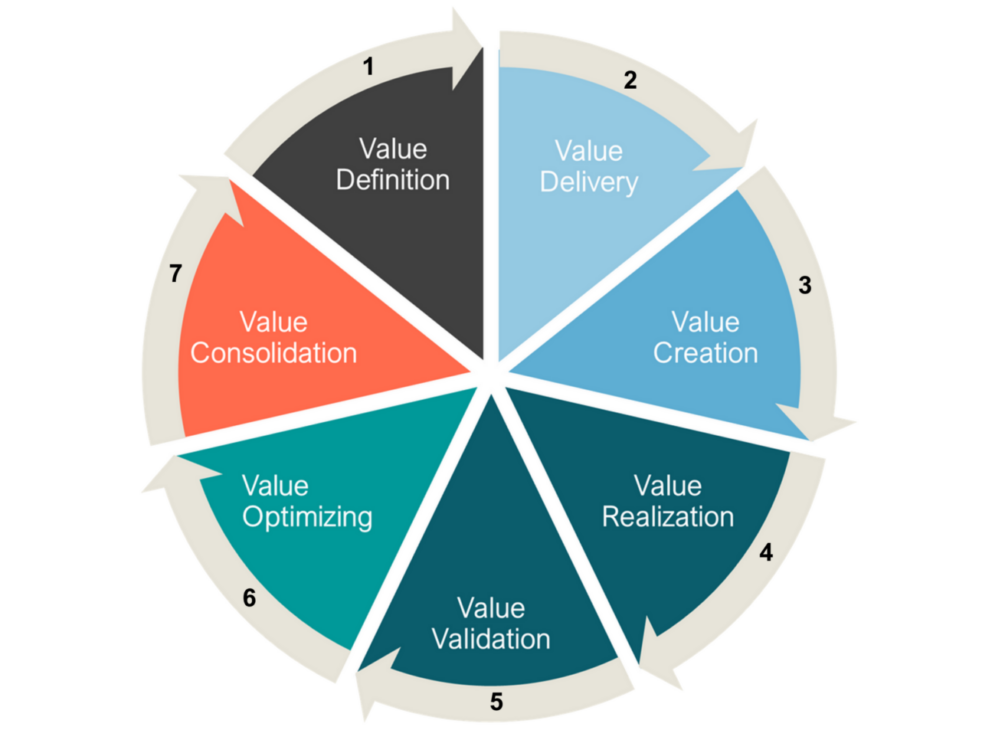
Microsoft’s Channel Evolution
We explore the evolution of Microsoft's channel strategy over the past ten years, and what can be learned by viewing it through a Value Cycle lens.

Guides and eBooks
The Microsoft Fabric Partner Guide
The Microsoft Fabric Partner Guide curates our recent articles, videos and resources to accelerate Crayon partner learning.

Press Release
Crayon joins the Microsoft Intelligent Security Association
Crayon's commitment to delivering advanced cybersecurity solutions and services takes another step forward as we join the Microsoft Intelligent Security Association.

Case Studies
Crayon Security Assessment service delivers growth for AfterDark
Working with Crayon, AfterDark scaled its ability to build longer-term cybersecurity engagements with customers.
Guides and eBooks
Cyber Operatives Field Guide
Partners, get your Bond on! Our Cyber Operatives Field Guide breaks down five cybersecurity missions to foil would-be cybercriminals.

Podcast
Crayon Cyber Chat: The Journey to Cyber Resilience
Cybersecurity experts from Crayon, SMX and Red Sift cover the realities of the complex threat landscape and how partners can respond.
Blogs
Cloud Security Assessments are a Growth Opportunity
Crayon cloud security assessments help partners lock down M365 and Azure environments and build profitable cybersecurity practices. Learn how.