
Small and medium-sized businesses (SMBs) continue to advance on digital transformation objectives by embracing new cloud technologies and solutions, including AI.
Yet, many are rethinking their security strategies in light of AI’s influence.
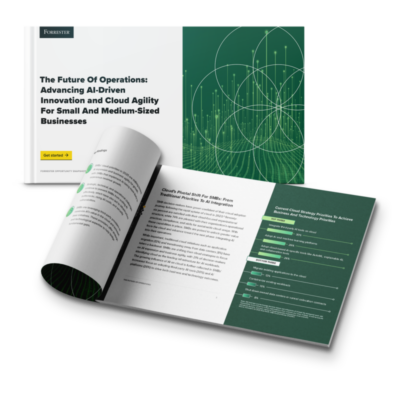
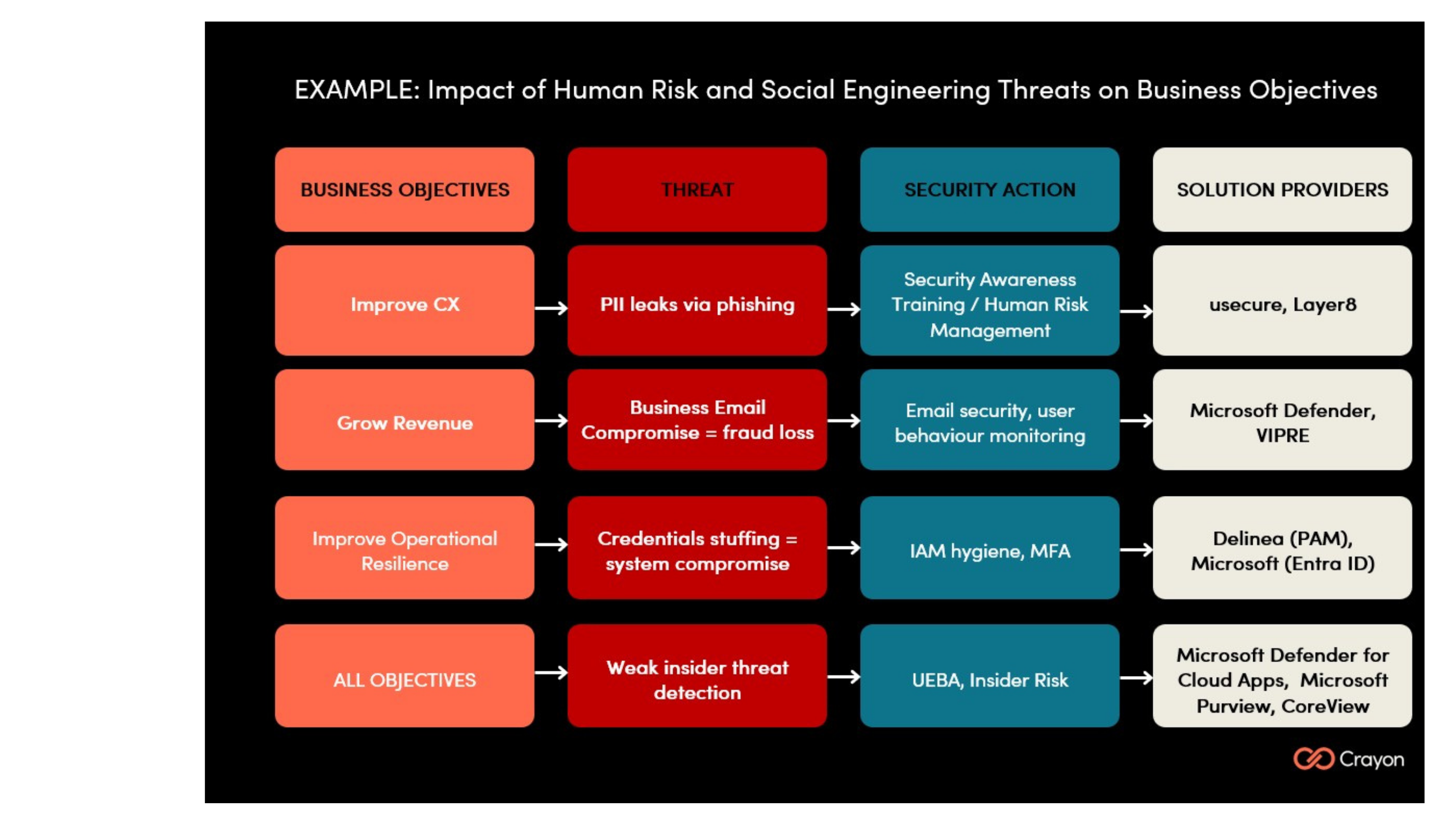
Data drawn from our biennial Future of Operations study shows SMBs have greater appreciation of cybersecurity not only as an operational imperative, but as an enabler of critical business objectives such as improving customer experience (CX).
While ransomware remains a significant concern, the study also shows a rising awareness around vulnerabilities associated with cloud infrastructure, IoT devices, and remote working environments.
For our partners, understanding these trends provides critical insight into how best to align offerings and capture new opportunities in the cybersecurity domain.
In the seventh release in our Future of Operations Insight series, we will dive into how SMBs are approaching their Risk and Resilience strategies over the next two years, and which solutions they’ll adopt to fulfil their most critical business objectives.
Business Objectives Drive the Cybersecurity Agenda
Data from the study shows that 45% of SMBs now view cloud security threats as a major risk, which explains why 60% will increase investments in the cybersecurity domain over the remainder of this year, and beyond into 2027.
67% of surveyed companies identified better management of compliance and regulation complexity as a high to critical business objective. This corresponds to a heightened priority on risk reduction, with 63% of SMBs placing equal ranking on the reduction of enterprise risk and IT risk exposure.
This is driving an intense focus on improvements to security and privacy, with 77% of SMBs ranking this objective as the #1 priority for their IT organisations.
IT leadership in SMBs is aligning to these objectives by prioritising actions that include advancing Zero Trust, and adoption of AI-driven threat detection, automated security monitoring, and human risk management solutions.
This shift signifies a strategic and sophisticated approach to cybersecurity—moving from reactive solutions towards more proactive, integrated practices.
How IT is responding
Findings highlight that:
- 58% will advance Zero Trust security strategies as a critical IT priority and 48% have adoption of Zero Trust Network Access in plan between 2025-2027
- 48% of surveyed SMBs plan to deploy Extended Threat Detection and Response (XDR) solutions within the next 24 months.
- 40% plan to invest in advanced endpoint protection to guard against increasingly sophisticated cyber threats.
- An average of 40% will seek third-party service expertise to conduct cybersecurity assessments across multiple cloud operating domains, including infrastructure and platforms, business applications, productivity and continuity
The adoption of security frameworks and compliance management platforms has also gained substantial momentum.
Around 35% of SMBs report active adoption or imminent investment in integrated security platforms that include compliance management tools.
AI on the Rise.
SMBs recognise the immense potential of operationalising AI within cloud environments and seek to harness it within solutions that can deliver into key IT objectives:
Rapid Deployment and Agility: 76% of SMBs prioritise quick, turnkey AI solutions to rapidly enhance their cybersecurity posture.
Simplified Infrastructure Management: 74% seek streamlined deployment, leveraging managed services to maintain secure environments.
Cloud Integration and Scalability: Seamless integration with cloud-native offerings, analytics, and IoT (70%) allows SMBs to quickly scale their security strategies and effectively respond to emerging threats.
Efficiency and Optimisation: 72% are aiming to leverage AI in the cloud to reduce costs for on-premises hardware.
These priorities strongly correlate with broader IT objectives like improving security and privacy (77%) and enhancing IT reliability and resilience (69%).
Emerging Service Demand
SMBs indicate a strong demand for service-based support in the cybersecurity domain, notably:
49% managed cloud operations services
47% cybersecurity assessments
46% cloud strategy development.
Partners that can help SMBs align cloud and AI strategies will be in high demand, as new friction points emerge between business and IT leaders on this front.
The study’s insights strongly suggest that SMBs increasingly rely on trusted technology partners to navigate their cybersecurity challenges.
With limited in-house cybersecurity expertise, SMBs are leveraging partnerships for guidance on threat management, compliance, and security infrastructure deployment.
According to the report, nearly half (48%) of SMBs prefer MSPs that can demonstrate strong cybersecurity capabilities and offer integrated solutions.
Leaning into the opportunity
To fully capitalise on these trends, MSPs and CSPs can consider how to factor solutions like Zero Trust Network Access, automated threat detection, AI-driven monitoring, advanced endpoint protection, and compliance management frameworks into their offerings. Working with customers to fully leverage the advanced security capabilities with the Microsoft 365 platform is also well advised.
Zero Trust in particular is a bellwether for revenue generation through comprehensive identity management, secure access services and continuous risk assessments.
The data also indicates there will be robust demand for service expertise to integrate cloud security management with AI-driven monitoring and threat analysis.
Training is further rich ground for developing additional service offerings in the cybersecurity domain. Cybersecurity best practices, technical user training on AI tools, and cloud management skills development are a few prime examples.
It is important to note however that SMBs underscore the importance of cybersecurity partnerships that deliver measurable business value.
All of these solution categories align closely with SMB priorities. However, beyond the solution sale, it is important to note that the data also showed increased pressure on IT to show impact for cybersecurity investment.
Partners that can help SMBs proactively identify emerging threats and appropriate mitigation measures will do well. Those that can align cybersecurity investments with business outcomes and help their stakeholders to quantify security ROI will have further competitive advantage.
Cybersecurity as an AI-Enabled Strategic Advantage
Looking ahead, the ability of SMBs to effectively manage cybersecurity threats will not only protect their operations but also become a clear competitive advantage.
SMBs in the Asia Pacific region are clearly shifting cybersecurity from a defensive necessity to an active, strategic enabler of critical business objectives, underpinned by AI and cloud technology.
Zero Trust security strategies and solutions will factor more prominently into SMB investment plans, as growing companies seek additional means to address endpoint sprawl and run more centralised, simplified management of security operations.
Businesses that invest in cybersecurity are positioned to maintain customer trust, safeguard their digital innovations, and ensure compliance with increasingly stringent regulations.
For Crayon’s partners, this shift offers a significant opportunity. By addressing the service demands, aligning with SMB IT objectives, and leveraging AI-driven security solutions, partner can meet current demands and proactively guide their SMB clients towards a secure, resilient, and innovative digital future.